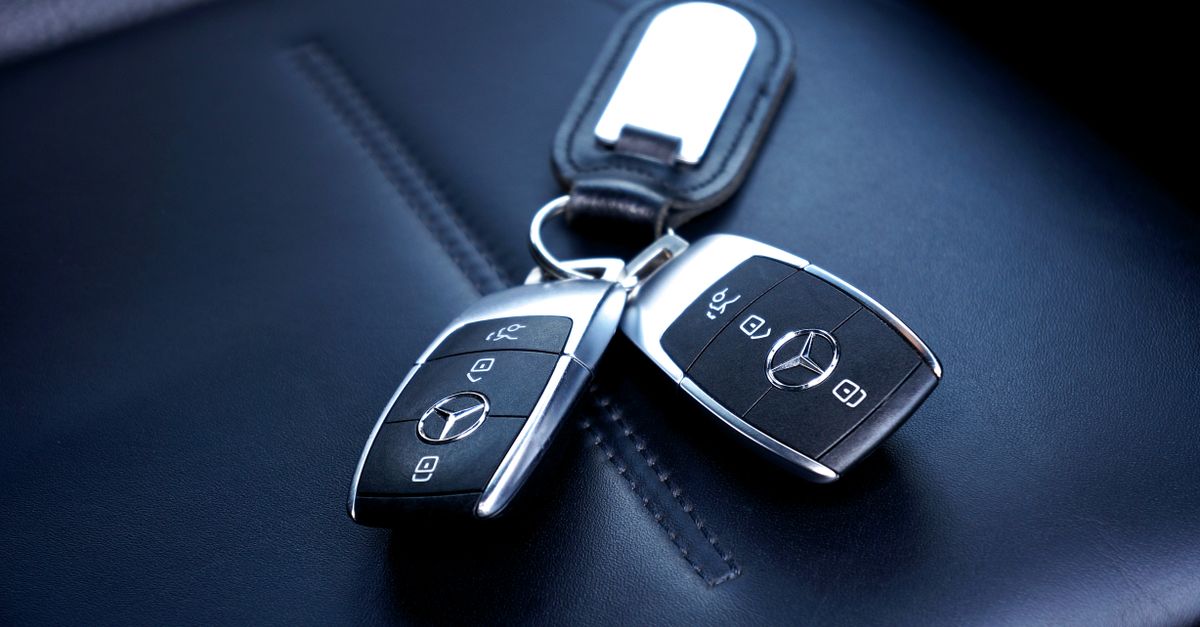
BMW Car Key Replacement: What Makes BMW Keys Different
BMW has used layered key security for decades, and each generation adds complexity. Older E-series models used a basic transponder chip embedded in the key blade — the chip had to be recognized by the car's immobilizer before the engine would start. Later F-series and G-series platforms introduced key fobs with rolling encryption codes, Comfort Access proximity sensors, and, on many current models, the credit-card-sized BMW Display Key with its own small screen. Every one of these systems requires both a precisely cut blade (or a correctly coded blade-less fob) and a programming session that ties the new key to that specific vehicle's ECU. Skipping either step leaves you with a key that either won't turn or won't start the car.
One detail that surprises many BMW owners is the BMW rim lock key — a small, coded lug-nut key used to secure alloy wheels against theft. If that key is lost or damaged, removing a flat tire becomes impossible without the correct code or a replacement key. Our technicians are familiar with this system and can address rim lock key issues as part of a broader BMW key service visit, saving you an additional trip to a specialty shop.