Why Commercial Lock Rekeying Matters After Staff Changes
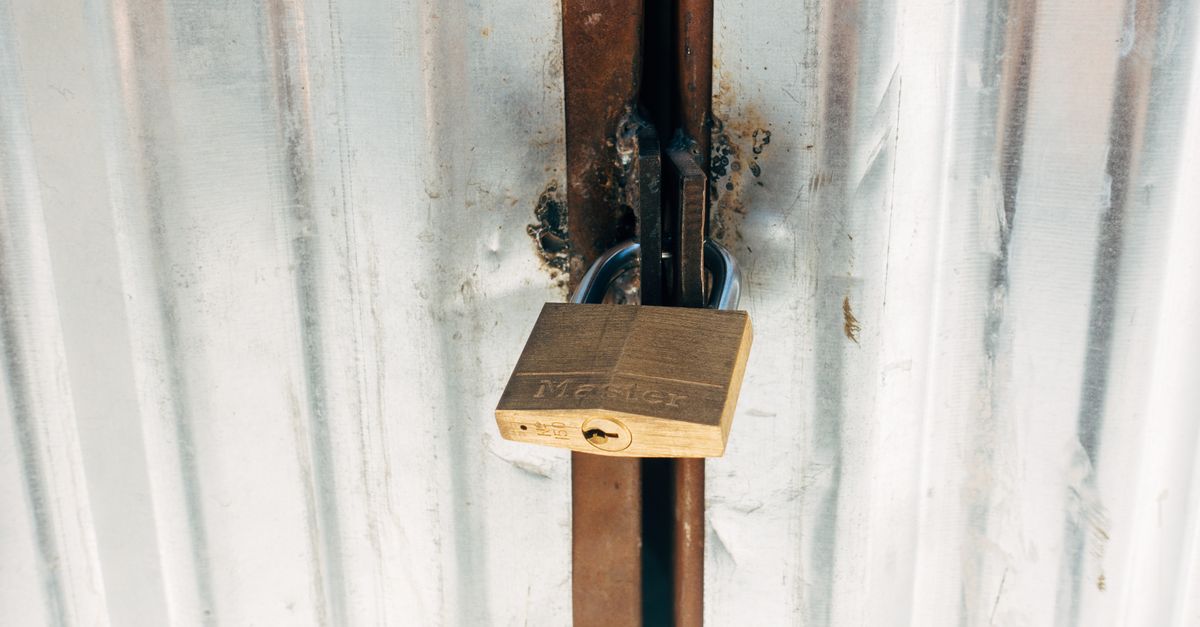
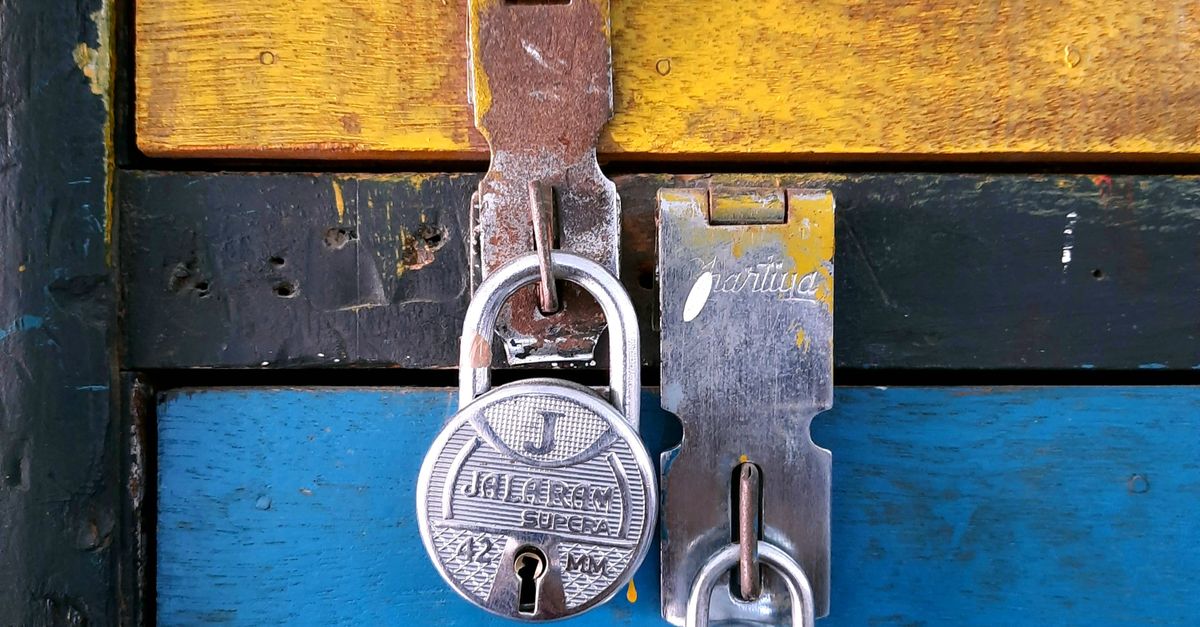
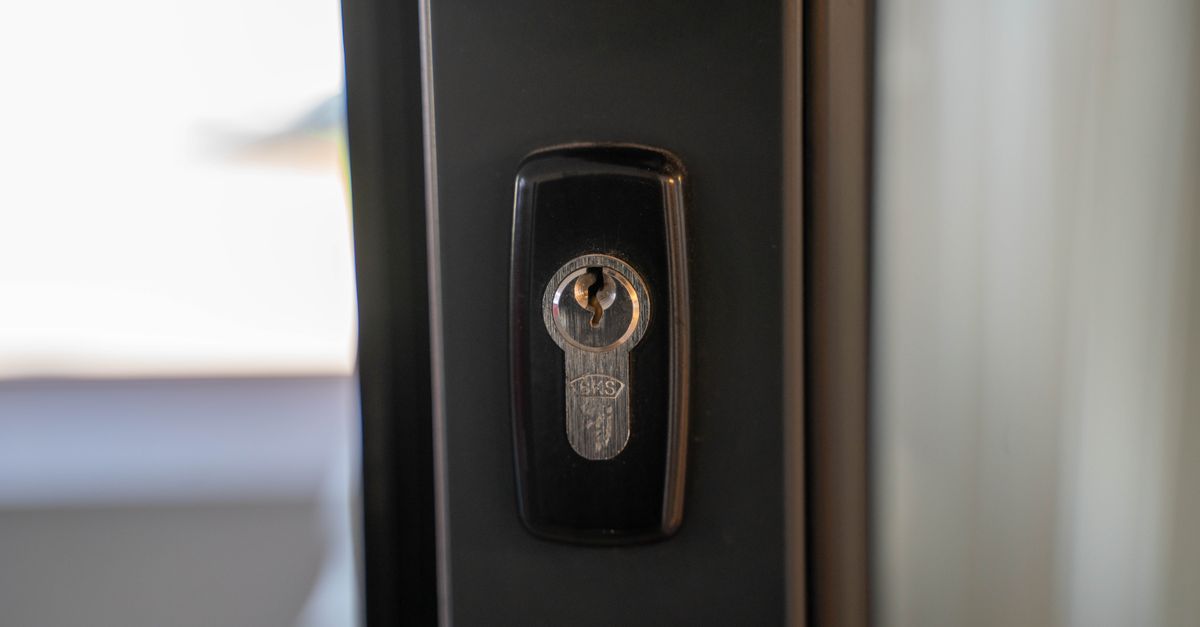
Every key you've ever handed out is a potential vulnerability the moment that employee walks out the door. Pleasanton, TX is a tight-knit community — Atascosa County seat, home to the Longhorn Cattle Drive heritage and a growing local economy — but even in a close community, businesses face real access-control risk after personnel transitions. A disgruntled former employee, a terminated contractor, or even a well-meaning ex-team member who simply forgot to return their key represents an uncontrolled point of entry into your property. A commercial lock rekey internally changes the pin tumbler configuration of your existing lock cylinder so that the old key profile no longer aligns with the new pins. The lock body, the hardware, the door frame — all of it stays exactly as-is. Only the internal configuration changes, and it happens in minutes per lock with our mobile equipment.
This is especially relevant for businesses operating on Oak Street, around the Pleasanton City Square, or in any of the commercial corridors along US-97 where foot traffic and public access make physical security a daily priority. Pleasanton's city government actively encourages local businesses to maintain safe, secure premises — something that aligns directly with the practical steps any responsible business owner should take after a staff change. If your business has ever submitted an RFP or RFQ for a commercial property build-out or renovation, access control planning is almost always a line item in those documents for good reason. Rekeying is the fastest way to honor that commitment without downtime.