Why Broken Key Extraction Requires Professional Tools, Not DIY Guesswork
When a key snaps off inside a cylinder, the broken piece typically seats itself against the wafers or pins that control the lock's movement. The temptation to use tweezers, a thin screwdriver, or a straightened paper clip is understandable, but these improvised tools almost always push the fragment deeper rather than pulling it out. Worse, they can scratch the cylinder bore, dislodge internal springs, or introduce metal shavings that cause the entire lock mechanism to fail. A residential door knob lock, a mortise lock on a commercial entry, and a vehicle ignition column each have different internal geometries — and each requires a different extraction approach and tool set. Our technicians carry hook picks, extractor saws, and spiral extractors sized for the cylinder in front of them, not a one-size-fits-all guess.
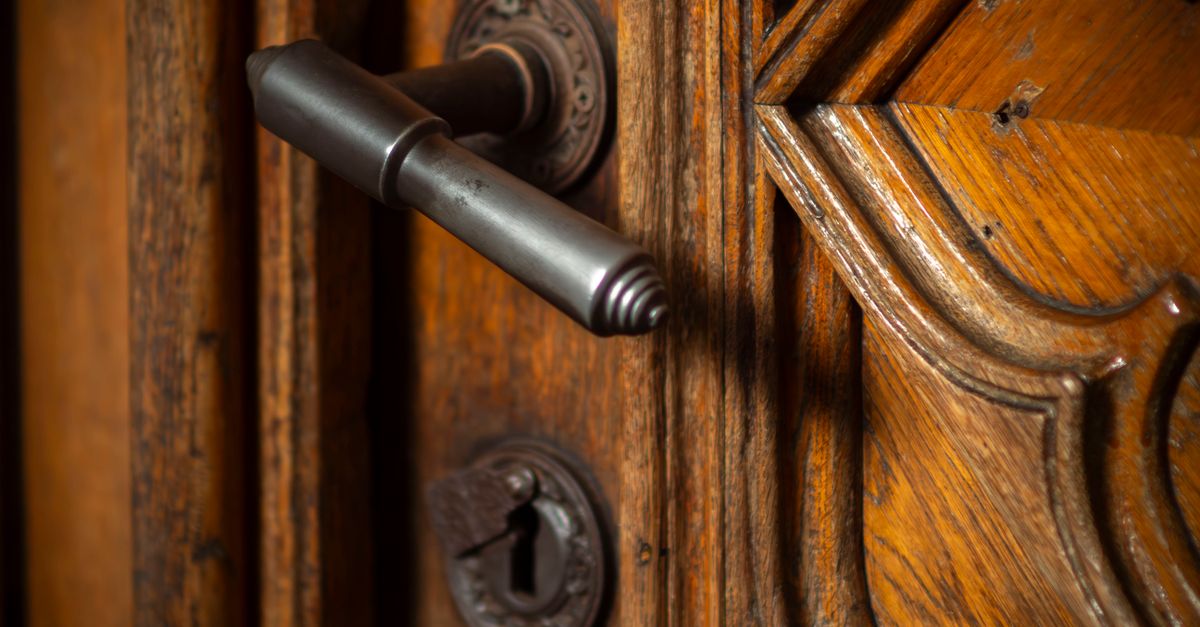
There is also the question of what happens after the fragment comes out. If the key broke because it was already worn, bent, or previously damaged, a replacement cut from the same worn pattern will break again. Our team inspects the cylinder and the recovered key fragment, then advises you honestly on whether a new key cut, a cylinder re-key, or a full lock replacement is the appropriate next step. For mortise lock hardware — still widely found on commercial properties and older homes throughout Pleasanton — that assessment matters especially, because mortise lock components are more involved to source and replace than standard cylinder locks. We carry common replacement hardware on the truck and can often complete the repair in a single visit.