Pleasanton Texas Locksmith Service Team
Local locksmith team
Jul 7, 2026 10 min read

Opening a storefront on Oak Street or setting up shop near the Pleasanton square is an exciting milestone — but between signing the lease, ordering inventory, and training staff, commercial door security rarely makes the top of the to-do list until something goes wrong. A failed lock on opening morning, a master key that doesn't reach every door, or exit hardware that doesn't meet fire code can derail your first week of business before it starts.
This checklist is built for new Pleasanton, TX business owners who want to get their locks, master keys, and exit hardware sorted before day one — not after. Whether you're taking over a previously occupied space or moving into a brand-new build, our commercial locksmith team has seen every scenario along Goodwin Avenue and out into the surrounding Atascosa County area. Read through, check off what applies, and call (830) 689-6345 any time you have questions — we answer around the clock.
## Why a Commercial Locksmith Checklist Matters Before You Open
Pleasanton, TX is a tight-knit community — the kind of place where word travels fast and a business's reputation is built in its first few weeks. The city is the seat of Atascosa County and is perhaps best known as the 'Birthplace of the Cowboy,' a heritage celebrated every year at local events and at the Cowboy Homecoming Festival. It's a proud, working community, and local business owners are held to a real standard from day one. That means your front door, back door, and everything in between needs to work flawlessly when customers and staff arrive.
From a practical standpoint, new tenants inherit whatever lock hardware the previous occupant left behind — and that history is unknown. Former employees, delivery contractors, cleaning crews, or landlord maintenance staff may all have copies of those keys. A commercial lock change before your first employee walks in is not paranoia; it's due diligence. Our experienced commercial locksmith team handles exactly this kind of pre-opening security audit across Pleasanton and the broader Atascosa County corridor every week.
## Step One: Audit Every Door — Mortise Lock, Knob Lock, and Exit Device
Walk every door in the space before you sign off on the lease. Note the lock type on each one. A mortise lock — the rectangular body that fits into a pocket cut into the door edge — is the gold standard for commercial storefronts and high-traffic entry doors because the internal mechanism is far more robust than a surface-mounted cylindrical lock. If your front entry currently has a simple door knob lock or a builder-grade deadbolt, upgrading to a mortise lock installation is one of the highest-value security investments you can make before opening day. Mortise locks accept interchangeable cylinders, which means future re-keying is faster and less expensive than full hardware replacement.
For every door that serves as a required means of egress under fire and building codes, you'll also need to verify that the exit hardware — panic bars, push-to-exit devices, or crash bars — operates correctly and compliantly. Pleasanton's city building department and the State Fire Marshal's office both have jurisdiction over egress requirements, and a failed inspection can delay your certificate of occupancy. If you're unsure what's required, we can assess the hardware on-site and coordinate a commercial lock installation service that meets current code without overcomplicating your daily operations.
## Step Two: Design a Master Key System That Matches Your Business Structure
One of the most practical things a commercial locksmith can do for a new business is design a master key hierarchy before any locks are installed or re-keyed. Think about who actually needs access to what. An owner or manager may need a grand master key that opens every door — stockroom, office, restrooms, server closet. Shift leads might need a sub-master that covers the sales floor and break room but not the safe room. Individual employees may only need a single key for one specific door. Getting this hierarchy right at the start saves significant cost and confusion later, because re-keying or re-pinning every lock to re-do a poorly planned system is time-consuming work.
For businesses that plan to work with the city on utility requests, vendor access, or contractors doing work on the premises, a restricted keyway system adds another layer of protection — keys cannot be duplicated at a hardware store because the keyway itself is proprietary. This matters particularly if you ever submit RFPs or RFQs that bring outside contractors onto your property, or if you coordinate with city inspectors and utility representatives who need temporary access. We can build that access control right into the initial master key plan at no added complexity to your daily routine.
## Step Three: Commercial Lock Change and Re-Key — Know the Difference and When Each Applies
A re-key changes the internal pin configuration of an existing lock cylinder so that old keys no longer work and new keys do. It's appropriate when the hardware is in good mechanical condition and the lock type already fits your security needs. A commercial lock change — replacing the entire lock body or cylinder — is the right call when the hardware is worn, damaged, mismatched across your doors, or when you're upgrading from a lower-security product like a basic door knob lock to a heavy-duty mortise lock or a Grade 1 deadbolt rated for commercial use. In many takeover situations, you'll end up doing a combination: re-keying interior doors that have solid hardware and doing a full commercial lock change on the main entry and any exterior access points.
How to approach a commercial door lock change the right way: start by inventorying every keyed door and every padlock on the property, including gates, loading dock doors, and electrical panel enclosures. Bring that list to your locksmith consultation. The factors that determine your final quote will include the number of doors, the lock grade and brand specified, whether existing prep work fits new hardware, and travel distance for the service call. We always confirm an exact up-front price before any work begins — no surprises on your bill when you're already juggling pre-opening expenses.
## Step Four: Plan for the Unexpected — Emergency Commercial Locksmith Situations
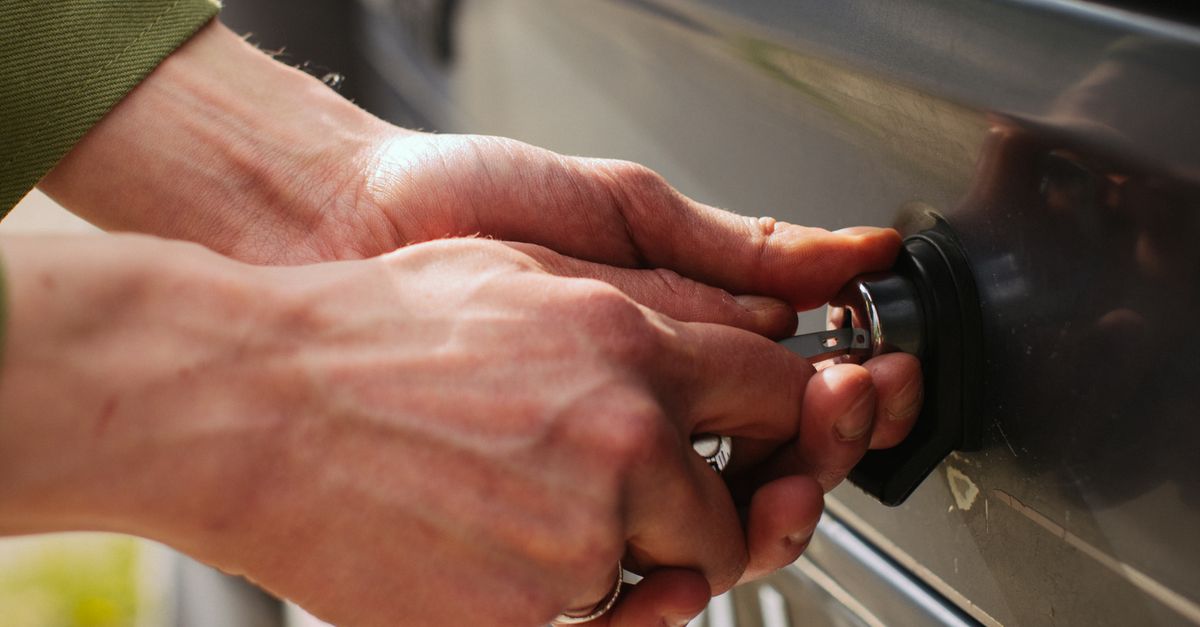
Even with perfect preparation, things happen. A manager loses their keys the night before a soft opening. A malfunctioning mortise lock leaves the front door stuck after close. A delivery driver locks themselves out of the stockroom during a weekend restock. These are real scenarios our team responds to regularly in Pleasanton — and they're exactly why having a 24/7 emergency commercial locksmith number saved in your phone matters from day one. The factors that influence cost on an emergency call include time of day, travel distance, the complexity of the lock involved, and whether any parts need to be sourced. Again, we quote the exact price before touching anything.
It's also worth thinking about how your staff should respond when they report an issue — a stuck lock, a broken key in a cylinder, a panic bar that won't latch. Build a simple internal protocol: who do they call, what information do they need to have ready (address, door location, lock brand if visible), and is there a spare key kept securely off-premises for genuine emergencies? Having that plan written down and posted in the break room is the kind of low-effort, high-value preparation that separates smooth-running businesses from chaotic ones. And when the protocol bottoms out at 'call the locksmith,' the number to have is (830) 689-6345 — we're here around the clock.
## The Full Commercial Locksmith Services Your Storefront May Need
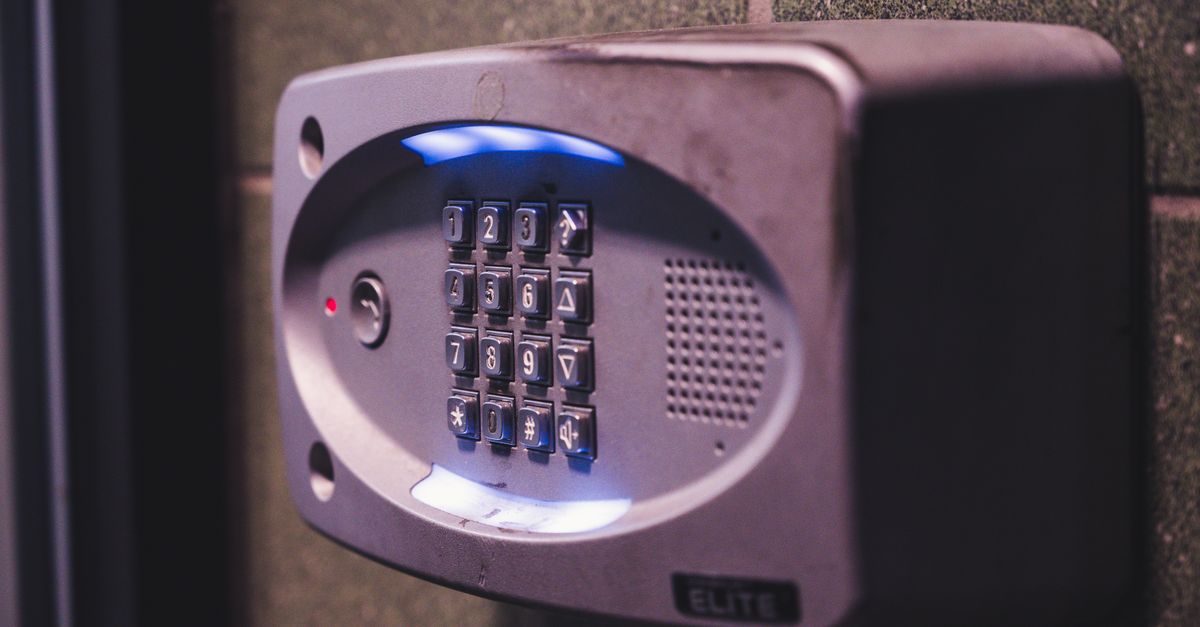
Not every business needs every service on this list — but reviewing it before opening helps you identify gaps you didn't know existed. Our commercial locksmith services available to Pleasanton area businesses include: mortise lock installation and repair, commercial lock change and re-key, master key and grand master key system design, restricted keyway system setup, door knob lock replacement and upgrade, Grade 1 deadbolt installation, panic bar and crash bar installation, exit device repair and adjustment, electronic keypad lock installation, card access system setup, high-security cylinder installation, padlock and hasp installation for storage and gates, sliding door lock installation, storefront glass door lock service, mailbox and parcel locker re-key, safe installation and combination change, broken key extraction from commercial cylinders, door closer adjustment and replacement, door frame and strike plate reinforcement, lock cylinder re-pinning for master key systems, interchangeable core system installation, time-delay lock installation for cash management, CCTV-adjacent door access coordination, after-hours emergency lockout response, and on-site security audit and lock hardware consultation.
That last item — the on-site security audit — is particularly valuable for new business owners who have never leased commercial space before. We walk the property with you, flag vulnerabilities, explain what each lock type does and doesn't protect against, and leave you with a prioritized list rather than a sales pitch. You decide what to act on and when.
Frequently asked questions
What is a locksmith call-out fee, and will I be charged one before I agree to anything?+
A call-out fee — sometimes called a service call or dispatch fee — is a charge that covers the locksmith's travel and time to reach your location. The factors that determine this fee include your distance from the locksmith's base of operations, the time of day, and whether it's a standard or emergency call. At Pleasanton Texas Locksmith, we confirm the exact total price before any work begins, so you'll know precisely what you're agreeing to before we ever touch a lock. There are no surprise fees added after the job is done.
Is Pleasanton, TX a good place to open a small business, and does the local crime rate affect what kind of security I need?+
Pleasanton is a growing South Texas community with a strong agricultural and energy-sector economy and a genuine small-town feel — many local business owners describe it as a place where customers become regulars quickly. Like any town, it has property crime that business owners should take seriously, particularly in commercial areas with overnight parking lots or adjacent to high-traffic highways. The best approach is to match your lock hardware grade to the real exposure of each door: a back stockroom door facing an alley warrants a heavier-duty mortise lock and deadbolt than a well-lit interior office door. We can walk your specific space and give you an honest assessment rather than a one-size-fits-all recommendation.
How do I handle city inspections, contractor access, or utility requests without giving out keys to everyone?+
This is one of the smartest questions a new business owner can ask. The answer is a restricted or construction-keyed master key system combined with clear internal protocols. For city inspectors, building officials, or utility representatives who need access, the best practice is to be present during the visit or designate a trusted staff member to accompany them — not to issue a permanent key. If your space is part of a construction or build-out phase and contractors need recurring access, a construction re-key at project completion immediately voids all keys distributed during the build. For ongoing vendor relationships, a sub-master key scoped only to the areas they need limits exposure without disrupting operations. We help new Pleasanton business owners think through all of these access scenarios before the first key is cut.
What is the difference between re-keying and a full commercial lock change — and how do I know which one I need?+
Re-keying reconfigures the internal pins of your existing lock cylinder so old keys stop working and new ones take over. It's the right call when the hardware is in solid working condition and the lock type already matches your security needs. A commercial lock change — replacing the entire lock body, cylinder, or both — makes more sense when the existing hardware is worn, damaged, a lower grade than your situation requires, or when you're upgrading from a basic door knob lock to a mortise lock for better security and key control. In practice, most business takeover situations call for a mix of both: re-keying interior doors with good hardware and doing a full lock change on main entries and exterior access points. A quick on-site assessment with our team will tell you exactly which approach applies to each door in your space.