Pleasanton Texas Locksmith Service Team
Local locksmith team
Nov 4, 2026 13 min read
If you've ever pushed your front door shut only to watch the latch bounce back open — or wrestled with a commercial door that just won't catch — you already know how quickly a small mechanical problem turns into a real security headache. In Pleasanton, TX, where summer heat can warp wood frames along Oaklawn Boulevard and seasonal humidity swells door jambs overnight, a door that won't latch is one of the most common calls our team receives. The good news is that most causes are identifiable, and many can be corrected quickly by a skilled locksmith without replacing the entire door.
This guide walks you through the most likely reasons your door refuses to latch, what you can safely check yourself, and when it's time to bring in a professional. Whether you're dealing with a residential front door, an interior bedroom door, or a commercial entry at your Pleasanton business, understanding the problem is the first step toward fixing it properly.
## Why a Door Won't Latch: The Most Common Culprits
A door that won't latch is rarely a mystery — the fix is almost always hiding in one of four places: the latch bolt itself, the strike plate, the door frame, or the door slab. The latch bolt is the spring-loaded tongue that shoots out from the edge of the door and seats into the strike plate (the metal plate mortised into the door frame). When these two components stop aligning, the latch either misses the strike plate hole entirely, catches only partially, or rebounds back out. Start your diagnosis here: close the door slowly and watch exactly where the latch makes contact with the strike plate. That single observation usually points you straight to the cause.
On older Pleasanton homes — particularly the craftsman-style houses near City Park — wooden door frames shift over decades as the foundation settles. On newer builds, it's often the door slab itself that moves as the house finishes drying out. Either way, even a 1/8-inch shift is enough to throw a latch completely out of alignment. Don't ignore it. A door that doesn't latch isn't just inconvenient; it's an open invitation to opportunistic entry, and in a town where the local City Council has worked hard on neighborhood improvement initiatives, keeping your property secure matters to the whole community.
## Sagging Frames, Swollen Wood, and Misaligned Strike Plates
Three physical conditions account for the overwhelming majority of latching failures. First: a sagging or racked door frame. If your door has dropped on the hinge side — common when hinge screws strip out of soft wood — the whole door slab drops with it, pushing the latch downward relative to the strike plate. The fix often starts with replacing short hinge screws with longer ones that bite into the structural framing behind the jamb, pulling the door back into square. Second: swollen wood. Pleasanton sits in Atascosa County, where summer temperatures regularly climb past 100°F and humidity spikes after rain. Wood door slabs and frames absorb that moisture and expand, sometimes enough to bind the door so tightly the latch can't even reach the strike plate. If the door feels stiff and sticky before it even gets to latching, swelling is your likely culprit.
Third — and the most fixable: a misaligned or improperly positioned strike plate. Over time, vibration from door use and frame movement shifts the strike plate up, down, or sideways. You can confirm this by applying a thin layer of lipstick or chalk to the latch bolt face, closing the door, and opening it again to see the transfer mark on the strike plate. If the mark lands above or below the hole, the strike plate needs to move or the hole needs to be filed slightly larger. This is a precise adjustment — file too aggressively and you'll create slop that reduces security. If you're unsure, our team carries the tools and gauges to do it cleanly the first time. Call (830) 689-6345 and we can be on-site the same day.
## Latch and Lock Hardware Issues — From Door Knob Locks to Mortise Locks
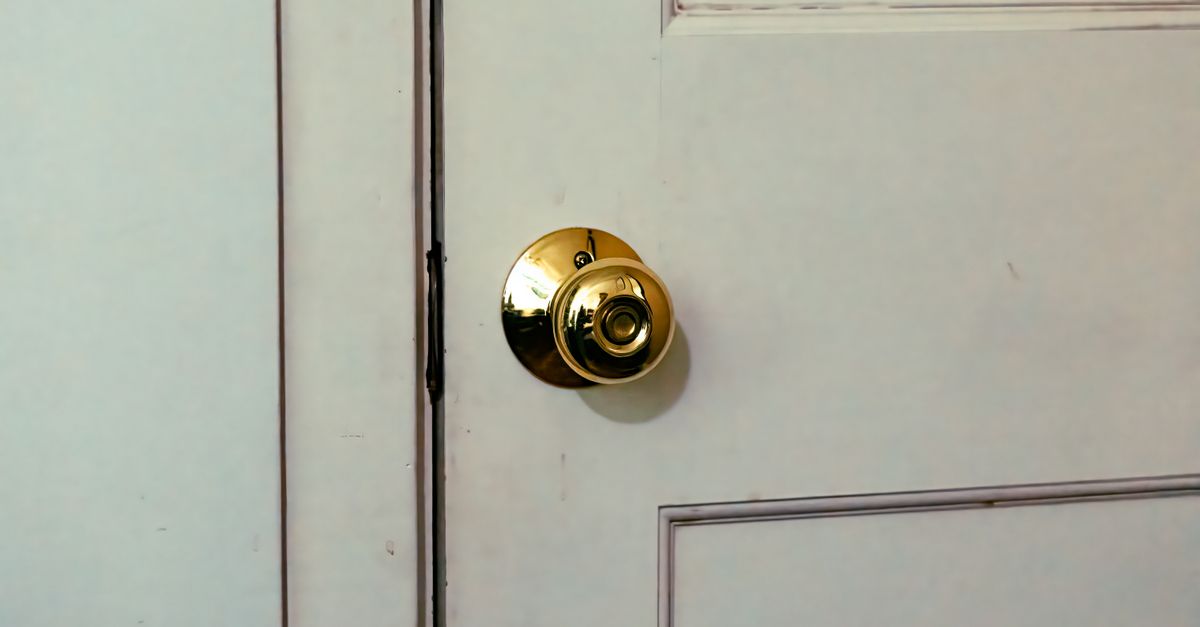
Sometimes the door frame is perfectly fine and the problem lives entirely inside the lock hardware. A worn or fatigued latch spring is a frequent offender: the spring loses tension over years of use and the latch bolt no longer snaps out with enough force to clear the strike plate lip. You'll notice this as a latch that moves freely but feels 'lazy' — it extends slowly or retracts at the slightest pressure. Replacing the latch mechanism or the full lock set resolves this cleanly. On interior doors fitted with a simple door knob lock, this is usually a straightforward hardware swap. On exterior doors, especially commercial entries, the situation is more involved.
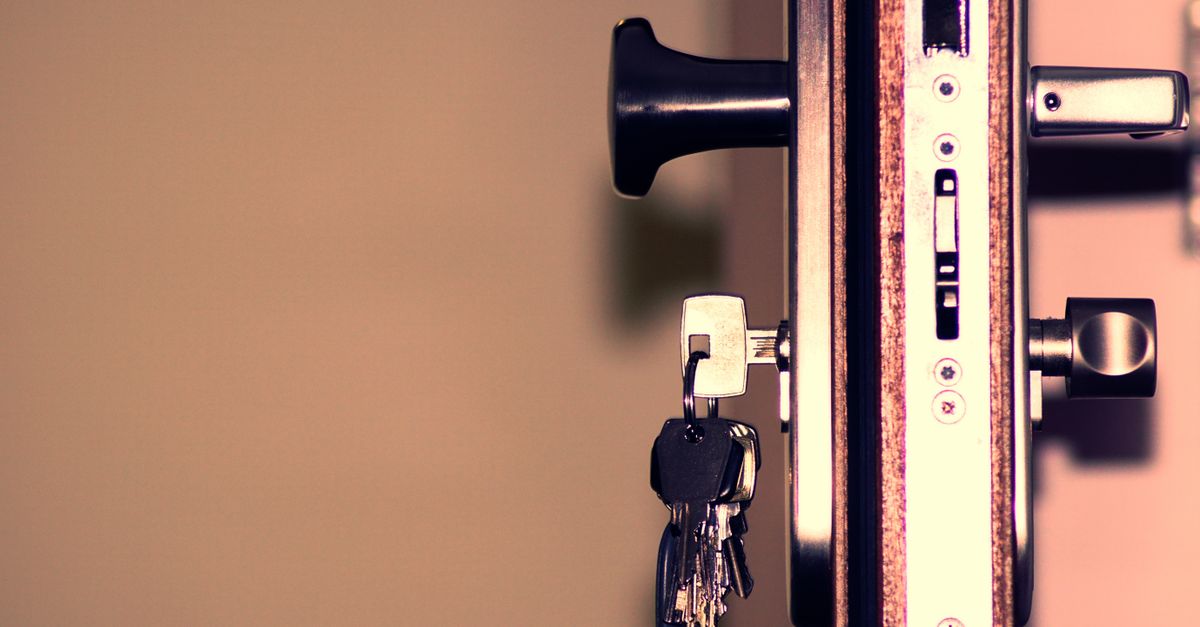
Many Pleasanton homes and businesses use a mortise lock — a lock body that sits inside a rectangular pocket cut into the door edge, integrating the latch, deadbolt, and sometimes additional security functions into one unified unit. A mortise lock is more robust than a surface-mounted lock, but it's also more complex to service. If the mortise lock case is worn, corroded, or the internal cam has slipped, the latch won't retract or extend correctly regardless of how well-aligned the frame is. Our experienced locksmiths carry common mortise lock components and can diagnose whether a repair or a full replacement is the right call — and we confirm an exact up-front price before any work begins, so there are no surprises. Factors like the specific lock model, any specialty parts needed, and your location within the Pleasanton area all shape the final quote.
## Rim Night Latch Locks: A Special Case Worth Knowing
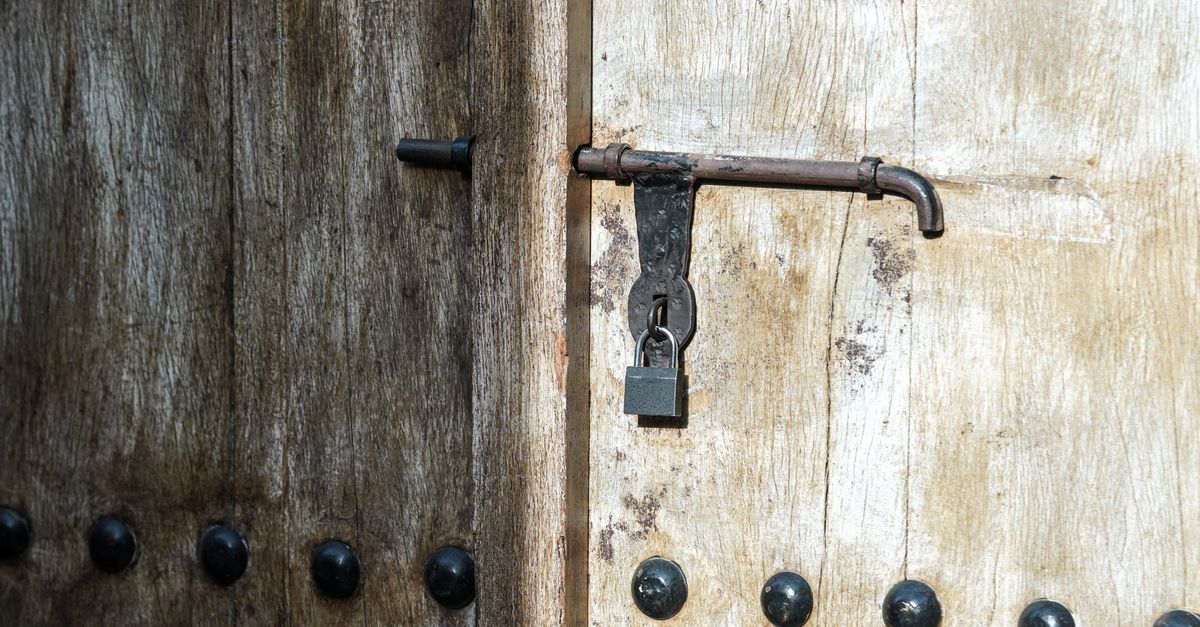
If your door uses a rim night latch — a surface-mounted lock where the latch mechanism is bolted onto the inside face of the door rather than mortised into it — the alignment challenges are slightly different but just as fixable. A rim night latch (sometimes called a rim lock night latch or cylinder rim night latch) consists of a cylinder on the outside of the door connected to a latch case on the inside. Because the latch case sits proud of the door surface and hooks into a surface-mounted keeper plate on the frame, any warping or frame movement can cause the latch to ride over the top of the keeper or bind against it without engaging.
Checking a rim night latch rim lock starts with confirming that the keeper plate is at the correct height and hasn't been pulled loose from the frame — a common issue on older Pleasanton commercial doors that see heavy daily traffic. If the keeper screws have torn out of soft wood, the fix involves either relocating the keeper to solid timber or using longer screws with backing plates. If the door itself has warped so that the rim night latch door lock no longer presents squarely to the keeper, shimming the hinges or adjusting the door stop can bring things back into line. On applications where higher security is needed, a night latch deadbolt rim lock combination — meaning both a rim latch and a surface-mounted rim deadbolt — provides two independent locking points even if one is momentarily misaligned. Our team can assess which configuration suits your door and security needs.
## When to Call a Locksmith — and What to Expect from Pleasanton TX Locksmith
Some latching problems — a slightly loose strike plate, a single stripped hinge screw — are within reach of a confident DIYer with basic tools. But there's a clear line between a minor adjustment and a job that requires professional skills and hardware. Call a locksmith when: the door has dropped more than 1/4 inch and the frame shows signs of structural movement; the mortise lock case is damaged or the internal mechanism is seized; the latch hardware is corroded, broken, or no longer serviceable; or you've made adjustments and the problem keeps coming back. Trying to force a misaligned door repeatedly can crack the door jamb, damage the lock case, or wear the latch bolt down to the point where the door won't secure even if re-aligned.
Pleasanton TX Locksmith operates 24/7 as a fully mobile locksmith team, which means we come to you — whether you're on a residential street near Pleasanton High School, managing a commercial property downtown, or dealing with an emergency locksmith situation at your business at 2 a.m. We handle the full range of door hardware: mortise locks, rim latch systems, deadbolts, commercial locksmith applications including panic hardware and access control, lock rekeying, and lock replacement. We also serve homeowners who want to upgrade their security after a latching problem reveals how vulnerable their existing hardware has become. When you call (830) 689-6345, a real person answers — not a voicemail — and we'll confirm an exact up-front price that reflects your lock type, any parts required, time of day, and distance within the service area before we touch anything. No guesswork, no inflated invoices after the fact.
## Pleasanton, TX: A Community Worth Protecting
Pleasanton, TX is best known as the Birthplace of the Cowboy — a distinction the city wears proudly and celebrates at the Cowboy Homecoming festival each year. It's a close-knit community of roughly 10,000 residents in Atascosa County, with a small-city feel, active local government, and a City Council that regularly fields utility requests, infrastructure reports, and community improvement proposals through public meetings at City Hall on Second Street. Residents here tend to look out for one another, and securing your home or business is very much part of that culture.
Like any Texas community, Pleasanton sees its share of property crime, which is why the city encourages residents to report an issue to local law enforcement promptly and take practical steps to harden their homes — starting with doors that actually latch and lock. If you've ever submitted a utility request to the City of Pleasanton and wondered why something as simple as a form takes so long to resolve, you already understand the value of having a local service provider you can reach directly and immediately. We're not a distant call center or an out-of-town contractor responding to RFPs and RFQs from the state level — we're a local mobile locksmith team that lives and works in this community. When you need help, we're the people your neighbors call.
## Quick Self-Check Steps Before You Call
Before reaching for the phone, run through this quick checklist — it takes less than five minutes and can sometimes reveal a solution that doesn't require a service visit at all. First, check whether the problem is consistent or intermittent: a door that only fails to latch in summer is almost certainly swelling seasonally, while one that never latches points to a fixed misalignment or hardware failure. Second, look at the hinge side of the door when it's closed: if you can see a gap between the door edge and the hinge-side jamb, the door has sagged. Third, inspect the strike plate for visible damage, loose screws, or a shifted position (use the lipstick-transfer trick described above). Fourth, test the latch bolt manually — push it in and release it; it should spring back crisply. A sluggish or sticky return points to a worn spring or gummed-up mechanism.
If these checks point to anything beyond a single loose screw, or if the door in question is an exterior security door, a commercial entry, or one that uses a mortise lock or rim night latch system, that's the moment to involve a professional. Incorrect adjustments on security hardware can compromise the door's ability to lock at all — and that's a risk not worth taking. Our team is straightforward about what we find: if a simple adjustment solves it, we'll say so and charge accordingly. If a component needs replacing, we'll show you what and why before we proceed. That's how we prefer to work — transparently and honestly, every time.
Frequently asked questions
What is a locksmith call-out fee and how is it determined?+
A call-out fee — sometimes called a service fee or dispatch fee — covers the cost of sending a locksmith to your location. The final amount depends on several factors: how far your property is from the locksmith's base of operations, the time of day or night (after-hours calls typically carry a different rate than standard business hours), and the nature of the job. At Pleasanton TX Locksmith, we confirm the full up-front price before any work begins, so you know exactly what you're agreeing to. There are no hidden additions once we're on-site.
Can a misaligned strike plate be fixed without replacing the whole lock?+
Yes, in many cases. If the strike plate has shifted slightly up or down relative to the latch bolt, it can often be repositioned by filling the existing screw holes with hardwood dowels and re-drilling in the correct position, or by carefully enlarging the strike plate opening with a file. If the misalignment is small — under about 1/8 inch — adding a strike plate with a larger catch opening can resolve the issue without moving the plate at all. However, if the door frame itself has moved significantly or the lock hardware is worn, the strike plate adjustment is only part of the fix. Our locksmiths assess the whole picture before recommending any single repair.
Does a rim night latch provide enough security on its own for an exterior door?+
A rim night latch rim lock is a convenient self-latching system, but most security professionals recommend pairing it with at least one additional locking point — such as a mortise lock, a surface-mounted rim deadbolt, or a multi-point locking system — especially on exterior doors. A night latch deadbolt rim lock combination gives you two independent mechanisms that an intruder would need to defeat separately, which is a meaningful deterrent. If your current setup is a rim latch only, our team can evaluate your door and frame and recommend hardware that matches the security level you want without requiring major modifications to the door.
Is Pleasanton, TX a good place to live, and does location affect locksmith response time?+
Pleasanton, TX is widely regarded as a welcoming, family-friendly community with affordable property, good schools, a strong ranching and oil-patch heritage, and an active downtown. It has the advantages of small-city living with reasonable proximity to San Antonio. As for response time: because Pleasanton TX Locksmith is based locally, we can reach most addresses within the city and surrounding Atascosa County quickly — far faster than a provider dispatching from San Antonio. Travel distance does factor into the overall service quote, but for most Pleasanton-area addresses, we're on-site well within the hour on standard calls and as fast as possible on emergency locksmith situations.